Sunday, 15 March 2015

The importance of Packaging Services

In the world of business, product standout and uniqueness is something that always warrants some form of consideration, especially when looking at material selection and design. The proper design of packaging does involve various factors, including weight, size, the fragility, and being retail ready. Packaging is critical, where both sustainability and aesthetics play a huge role. That’s where our packaging company does best. 

We also specialize in manufacturing and design of these boxes, corrugated items, and also foam too, tailored specifically to safeguard the merchandise during the transit process, while optimizing the cost efficiency too. 


Our crafted designs and other aspects offer a chance to ensure the right product protection, and also offers a ton of savings in labor, freight, materials, and impacts on a bottom line. 

The beauty of Contract Packaging 

We offer a ton of different contract packaging, all in one specific place. With multiple resources, you’ll be able to ensure that the products are adequately packaged in the correct , proper manner whenever you need this.

We do offer kitting and assembly of the kits, assembling them into the right package.

We also offer blister and clamshell packaging, where we are able to showcase the products directly for some retail-readiness tool. 

There are also displays and fulfillment where we create, put together, and finally fulfill the point of purchase types of displays. 

And of course, we also offer cartoning and shrink bundling, in order to get the product correct for purchasing.


This reduces lead times, improves the quality, provides you with more time to focus on what matters, and offers you a chance to outsource this package through our services.

We also provide the design, the materials for the packaging, the manpower necessary, and ultimately the warehouse space for products that are packaged and shipped on time. 

All Types of Packaging Designs 

We offer a ton of different packaging designs that you’ll be happy to see.

For starters, we offer custom-fit boxes, along with corrugated packaging that we manufacture and design in-house.

We also provide plastic corrugated forms of packaging that we produce, and a design all in-house. 

There is also customized foam packaging, which is converted in our fabrication plant for foam. 

We also make it easier for you to return your packaging using totes and suitcases that will protect all of the products you have. It provides environmentally-friendly types of solutions that will fit all of your needs. 

Finally, we make sure that you also have temperature controlled packaging. These include mailers, coolers, gel packaging, and even refrigerants that offer protection for temperature-sensitive types of products. That way, things can be kept cool and made in a means that’s easy for you to do. 

Let us help with your Packaging 

Let us help you with the packaging designs and solutions that encompass structural, protective, and industrial types of aspects. With our commitment in ensuring that the product is in envelopes, in the packaging for the right size and materials, you’ll be able to facilitate the structural delivery that’s there from here to the destination. 

With our in-house design team, you’ll not only be able to meet the criteria, but also to adequately exceed the expectations that are in place. 

With our expertise, there is now more excelling in both retail, along with point of sales packaging design. We also take pride in the enhancing of the aesthetic appeal that’s there on the product, but also to navigate the requirements that are dynamic in retailers. 


With a lot of designs that exude high-end looks and feels, it provides that harmonious balance between cost efficiency and visual appeals too, which in turn will help many people with getting what they want.


Saturday, 15 November 2014

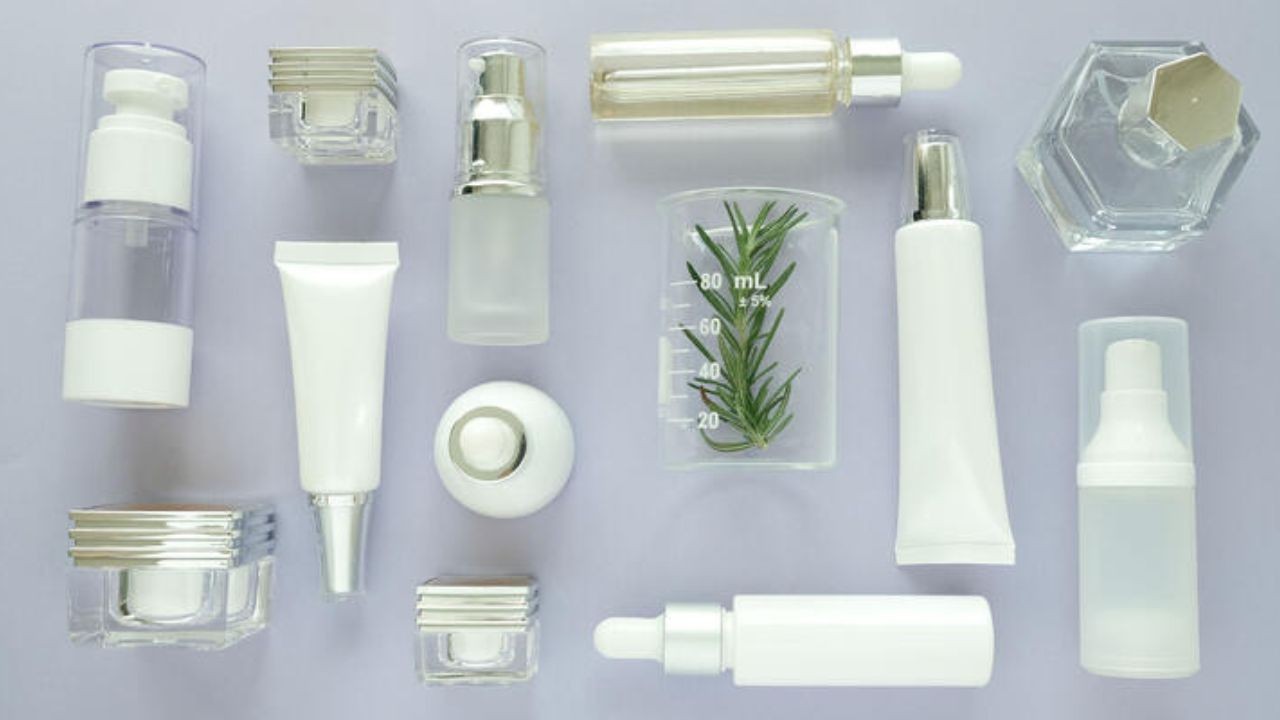
The Effects of Cosmetic Packaging on Consumers

For a lot of people, packaging matters. Did you know that there was a recent study that looks at the different types of effects of this? While the study is over fifty pages, the methods that are used are important. Here, we’ll go over the most important part of this. Let’s first begin with the themes that are there. The biggest one is a study that shows there is a large relationship between the packaging, the cost of it, and the quality of an item. The survey actually showed that consumers are able to identify a retail environment for a product, along with the primary packaging that’s associated with her levels of quality. 


Elements and Images 

From this as well, they also found that the participants were able to notice the materials, dispensing mechanism, opacity, even the creativity of the design in order to identify these products. Plastic packaging that was clear and cheap looking burned a perceived image that the items were on the lower end. If you used metal, or even unique forms of design, this led to higher level types of products. 

Images also played a part in this too. People saw images of products, and they assumed from this that they were on the higher end due to the high quality of the images.  This of course, built on the idea that those that looked more professional were higher cost products. 

Quality of Packaging Improves the Product Perception inside. 

There is also an association between the packaging quality, and a better satisfaction with the cosmetics within. 


Some people have admitted that choosing different products based on pleasing packaging was the way they went. They highlighted emotional connections between cosmetics, and the packaging that’s within them. 

Packaging is a Silent salesman 

What people don’t realize, is that through this study, that the packaging is ideally the salesman for most of this. 

What that means is that they’re the ones providing the first impression, and also will get people to buy it. 


Below are some of the key factors that we want to mention, especially since they played a part in the research overall: 

  • Focus on the looks. The shape, the color, packaging, and the design will get one’s attention. Bright images make products stand out, and unusual wines are perfect for improving curiosity. 

  • The touch and feel of an item is something that makes a huge difference. Make sure that you give your products texture and weight to give a feel for quality that’s inside. 

  • Make them functional. You don’t want something that’s hard to open up. Packaging that’s convenient, and easy for you to do will always win. If you do utilize this without any sort of hassle, you’re also highly likely to buy this again. 

  • You also might want to look at the messaging from the brand. The design is what gives the overall idea of the brand and the message within. For luxury packaging, the packaging does impact the brand, as this gives it a high quality and good message. 

  • You also want to go green. In this day and age, you want to be better to the planet. Packaging that’s eco friendly is a huge deal. If you’re looking to improve the brand packaging, consider something that’s environmentally friendly. this is a huge point for a lot of shoppers. 

  • Consider all of these factors, and you’ll see for yourself the difference this makes at the end of the day, and also the impact this has on your packaging overall.

Saturday, 25 October 2014

Bio-Packaging: the Future of Packaging

Bio packaging, or bio-based packaging is the future of the packaging world. These days, we’re all looking for new, innovative ways to ensure that we’re not wasting all our money on packaging, or destroying the planet.

This type of packaging is our answer. It’s basically packaging that uses some materials which come from fungi, plants, and other resources that are renewable, which means when you use them, it’s not something finite on our planet.

This is a good alternative to fossil fuels, which have plagued the packaging world for so long that a lot of people are looking for an alternative. Guess what, this is the alternative, and for many people, could be exactly the answer that they need.


What goes into Bio-Based Packaging 

This type of packaging is, of course, plantlike. But what types of plants are used for this.

Cornstarch is one of them, because corn is definitely an easy and renewable resource to work with. Same with algae, which is abundant in our waters, and can be used for all sorts of packaging. Even food packaging can benefit from this.

Soybeans is another one, and just like with cornstarch, also comes from plants in the ground and is used especially for inks and dies.

There is also mushroom packaging, or mycelium packaging, which means that the packaging itself is derived from mushrooms.   This is a novel sort of packaging and might not be used often, but still works to create sustainable, and useful bio-based packaging.


The biggest thing that bio-based packaging has going for it, is that it’s sustainable. You’re getting this all uniquely sourced and processed from these plant materials. This type of packaging is reasonably sourced and done in a manner that’s beneficial to many. What that means as well, is that when you do source these, you get them from areas that are sustainable, and also won’t negatively impact the future environment when you do this as well. 

The benefits of this bio-packaging 

Bio-packaging might not seem like the answer immediately, but it’s really good.

The biggest reason? It's because it creates sustainability.   When you sustainably source and process these bio-based materials in a manner that’s healthy for the plant, it reduces the need for petroleum-plastics and also decreases the packaging waste in landfills. This of course, creates less of an impact on the planet.

It also saves you a ton of money too. companies that do this will not have to shell out a lot for packaging that isn’t easy to reuse again and again. Once you have a bio-based plastic set up, people will flock to it.

And boy they will flock. Many people will choose the company that’s more sustainably sourced, and will also be happy to support a business that’s taking care of the planet. Some companies will choose that over other companies. 

Drawbacks? 

There are some downsides that come with this type of packaging.

First, the packaging is very new.   It’s definitely something that will cost a lot more to source early on, especially if you don’t have the resources. Getting packaging that will be able to be reused again and again without burning a hole in your pocket can be the first and biggest challenge.


The second thing is also encouraging customers to actually dispose of these sustainably. If the packaging can be composed, tell them, but that doesn’t always mean that they’ll listen. Overall, it can take a bit of work but if you’re a brand that’s already priding themselves as sustainable, this is a good option for you to have as well. 


Saturday, 19 April 2014

Packaging Fragile Items

Packaging items that are fragile in order to ship them is important. And that also means that there might be a difference between the item reaching the destination, versus it being so badly off that you need to replace it. Items that are fragile do demand the most care when you’re shipping them. That, or else you risk items that are broken and damaged, harming the reputation of this. While the item type does dictate the protective supplies that you need to be able to use, you’ll want to make sure that you get the highest quality materials

Here is a guide to determine what’s fragile, what’s not, and the best ways to pack it.

The items that are Fragile.

It’s important to consider that some materials are fragile by some standards. 

Fragile means anything that breaks easily, or even shatters too.

This also includes anything made from materials that are delicate, such as paper. Remember, this does tear and crush quite easily. This can include décor for the house, glass, crockery, picture frames, and even crockery and musical instruments too. 


Some of these are also of higher value and usually, they might be exposed to air and some force, ruining them. Electronics and screens also fall into this.

Now that you know what they are, here is a guide on how you should pack these.

Choose your best product Solution for the Product 

The best way for you to determine this, is to also make sure that you have the right materials. 

Some items require different types of protection than others. 

For instance, when you transport some items that are made of glass, you’ll want something more robust in terms of protection. That’s because these break easily. If you’re transporting different items that aren’t able to be bent, like documents and whatnot, you might need different types of protection for this.

Get a Box that’s Slightly Larger 

You want something that’s slightly larger than what’s necessary.

This is because you can add the material in there to protect it from shock. If the box gets too small, then you won't have enough material to protect it. You do risk it possibly getting damaged while it’s being transported.

Choose Cushioning Materials 

You want to choose a cushioning material that works. Air pillows, crinkle paper, and bubble wrap are good for the needs of a product.


Add a Label for Fragile Products 

This is the final step, but you want to make sure that you add a label for fragile items.

While it won’t protect the items that are inside, it signals to most people who can see the label that they need to be a bit more careful for you to send this from one way or another. 

Void Fill is key 

You want to make sure that you use void fill to keep things safe. This is really important for glass, and also anything that’s super breakable. This is usually made from different items, and they now have eco friendly options too. Packaging peanuts for example are a great item. 

You want to make sure that you include void fill for anything that does have gaps. This provides it with the ideal cushioning that’s needed for this, so that everything can be protected from the impact that they’re feeling. This is great too.


You want to make sure that you use different items, including mailers that are bubble or rigid depending on your needs. 

Either way, you need to be smart with the type of items that you pack, and when you pack these correctly, use your discretion to make sure that they’re packed right.


Friday, 7 March 2014

The Box Wasn't the Problem

A lot of people think a damaged package means they picked a bad box. Sometimes that is true, but often the real problem starts long before the box is sealed.

Imagine placing a coffee mug into a box with nothing around it. The box might be strong. The tape might be perfect. The label could be clear and easy to read. Yet the mug can still arrive broken because it had room to bounce around during the trip.

That is why packaging supplies work best as a team instead of as single items.

One of the most common questions people ask is, "Why do I need more than just a box?" The answer is simple. A box creates the outer shell, but other supplies help protect what is inside. Packing paper, cushioning materials, tape, and labels all play different roles.

Think about moving to a new house. A person may pack books, dishes, toys, tools, and clothing all on the same day. Each item has different needs. Books are heavy and need sturdy boxes. Dishes need protection from bumps. Clothing may only need a simple container to stay clean and organized.

The same idea applies to businesses that ship products. A candle maker, for example, ships items that can crack. A company that sells shirts has a different challenge. The products are lighter and less fragile, but they still need protection from dirt, moisture, and damage.

Another question people often have is whether packaging supplies can save money. At first, that may seem strange because supplies cost money to buy. However, replacing damaged items often costs much more. A broken product may require a refund, a replacement shipment, and extra customer service time. Preventing that problem in the first place is usually the less expensive choice.

Organization is another benefit that people do not always expect. Labels, markers, and packing lists help keep track of what is inside each package. During a move, this can save hours of searching through boxes. In a business, it can help employees find products faster and avoid mistakes.

Many schools, charities, and community groups also rely on packaging supplies. Food drives, clothing collections, and relief projects often involve sorting and transporting large numbers of items. Strong packing materials help those donations arrive safely and stay organized along the way.

People also wonder how to know if they are using the right supplies. A good place to start is by looking at the item being packed. Is it heavy? Fragile? Oddly shaped? Does it need protection from moisture? Asking these questions often leads to better packing decisions and fewer problems later.

The funny thing about packaging supplies is that most people do not think about them when everything goes right. They only notice them when something goes wrong. A torn box, a missing item, or a damaged product quickly reminds people how important proper packing can be.

Good packaging is not about making things look fancy. It is about helping items travel safely from one place to another. Whether someone is shipping products, organizing a storage room, or preparing for a move, the right supplies can make the job easier, cleaner, and more reliable.

Sometimes the box is not the problem at all. Sometimes the real solution is having the right packaging supplies working together from the very beginning.

Sunday, 6 October 2013

Packages aren’t built on hope

 Ever tried sending out an order with a box that’s too big, a roll of tape that barely sticks, and a wad of crumpled newspaper as filler? You seal it, cross your fingers, and hope it makes it. That’s not packaging—that’s gambling. And the truth is, customers can tell the difference between a brand that packs with care and one that just throws things in a box.

Good packaging supplies don’t leave anything to chance. They take the guesswork out of protecting products, and they turn a stressful job into a confident routine. Picture a warehouse shelf stacked with the right boxes in the right sizes, tape that seals with a single swipe, and bubble wrap that cushions without deflating halfway through the trip. The process feels smoother, faster, and safer, because everything you need is at hand and built to do its job.


The old way costs more than it saves. A flimsy carton splitting on the delivery truck leads to a refund. Cheap tape peeling up means a box arrives open, and suddenly the customer’s first impression is disappointment instead of excitement. One damaged order doesn’t just cost the price of the product—it costs repeat business, referrals, and sometimes even a scathing review. Packaging is one of those things customers rarely praise, but they instantly notice when it goes wrong.

That’s why businesses that invest in strong supplies gain a quiet edge. Heavy-duty boxes keep fragile items intact. Stretch wrap keeps pallets from wobbling across the warehouse floor. Padded mailers protect delicate accessories from scratches. These details rarely make headlines, but they make operations reliable. And reliability is what builds trust.


Packaging supplies also save time. Instead of fumbling with weak tape that tears sideways or boxes that refuse to fold properly, staff can seal shipments quickly and move on to the next. Multiply that across dozens—or hundreds—of orders a day, and the time savings add up to real money. In a business where deadlines are tight and customers expect “fast and free” delivery, efficiency is everything.

And then there’s the environmental side. Smart packaging choices mean fewer fillers, less wasted space, and materials that can be recycled after use. Customers who care about sustainability appreciate that. They see a package that isn’t drowning in unnecessary plastic and think, “This company gets it.” That kind of impression goes beyond the product itself—it builds brand identity.


At the end of the day, packaging supplies aren’t just about shipping. They’re about presentation, protection, and perception. They guard your product on the way to its destination, but they also guard your reputation with every box that arrives safely. A customer who receives a neat, well-packed order feels confidence in the company before they even touch what’s inside.

So don’t gamble on hope and cheap supplies. Stock the right tools, invest in quality, and let every order show customers that their purchase matters. Because the moment they open that box, they aren’t just unwrapping a product—they’re unwrapping your brand.


Wednesday, 19 September 2012

Best Instances to Use Die cut Foam

You don’t want products to get damaged, as it makes you as a brand look bad. You also don’t want customers to regard your product any less because it showed up totally mashed. One way to prevent this is to use die cut foam. But what is it?  When should you use it? Well, die cut foam is literally an insert that’s customized for your needs. It will cushion the items safely, and it fits around the product.  That’s because it’s literally cut in a way that fits the items being protected.

This is a little expensive but die cut foam is a great choice for a lot of people’s needs. Here, we’ll go over the best situations to shell out the cash to use this type of foam. 

Shipping in Bulk 

Having items in bulk can be a bit of a challenge. This is because you want the items to be safe. You don’t want to hit each other and then break.  That’s where the die cut foam comes in, and it’s more cost effective than other means.


Die cutters can make a lot of forms with a singular press, which in turn makes producing this a lot better for a lot of bulk items, rather than one singular item. 

Electronics, automotive equipment, and even medical and recreational items all benefit from this.  you save yourself a lot on the shipping, just by giving each part of this the correct insert.  Everyone will be happy when they get the product they have and it’s all in one piece. 

Oddly Shaped Items 


Items that are weird in shape will thrive with this. For instance, if the angles are sharp, the curves are delicate, or are sized with a weird sort of fit to them, then you’re going to enjoy this type of die cutting foam. Die cutting, especially for foam inserts, also saves you a lot of money on shipping.  Think about it, if you’ve been dealing with shipping odd items in big boxes, you know how much this eats at the costs. Custom die cut foam allows you to securely ship everything you need.

Fragile Items 

Fragile items, especially those that are extremely breakable, are very hard for people to ship. This is because with one wrong move, the product shatters. You don’t want that, right? Well, you can prevent this from happening with the use of die cut foam today.  


This is great because die cut foam actually absorbs the impacts that happen during the transport process, and a lot of times, this is done in a way where the standard products and materials don’t. Plus, they are even more professional when they’re secured with this.

If you’re worried about the possible ruining of your product, you owe it to yourself to make sure that you also get the right packaging protection for this. you can talk to someone to help you get the right die cut foam.

Remember, it will cost you a little bit more if you’re worried about die cut foam being a major problem for that. A lot of times, it can be a little bit of a struggle, and if you’re sick of dealing with the headaches that come with this and want to make sure that you’ve got the products that you need in one piece, then you owe it to yourself to protect them with foam such as this. start today, and get the foam that you need, and make sure that, with each precise decision, you have the right needs for your business as well.